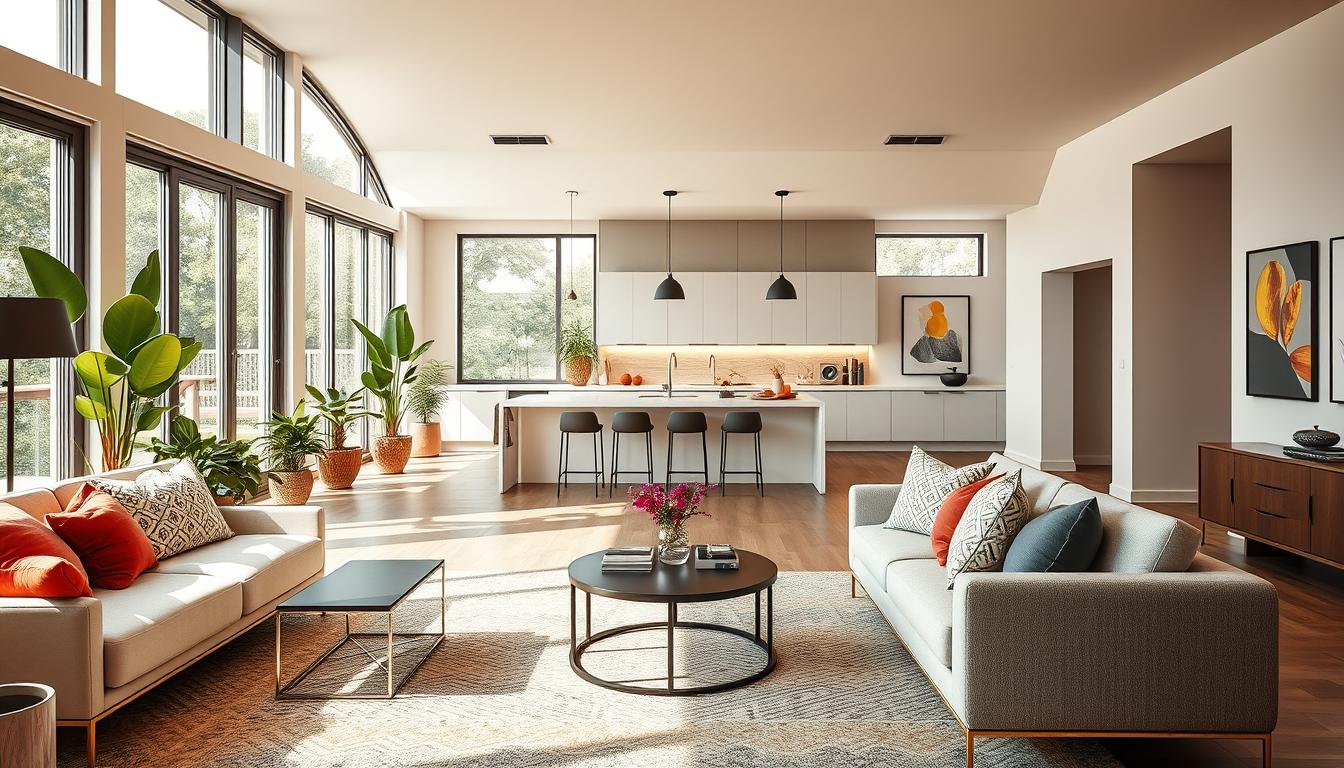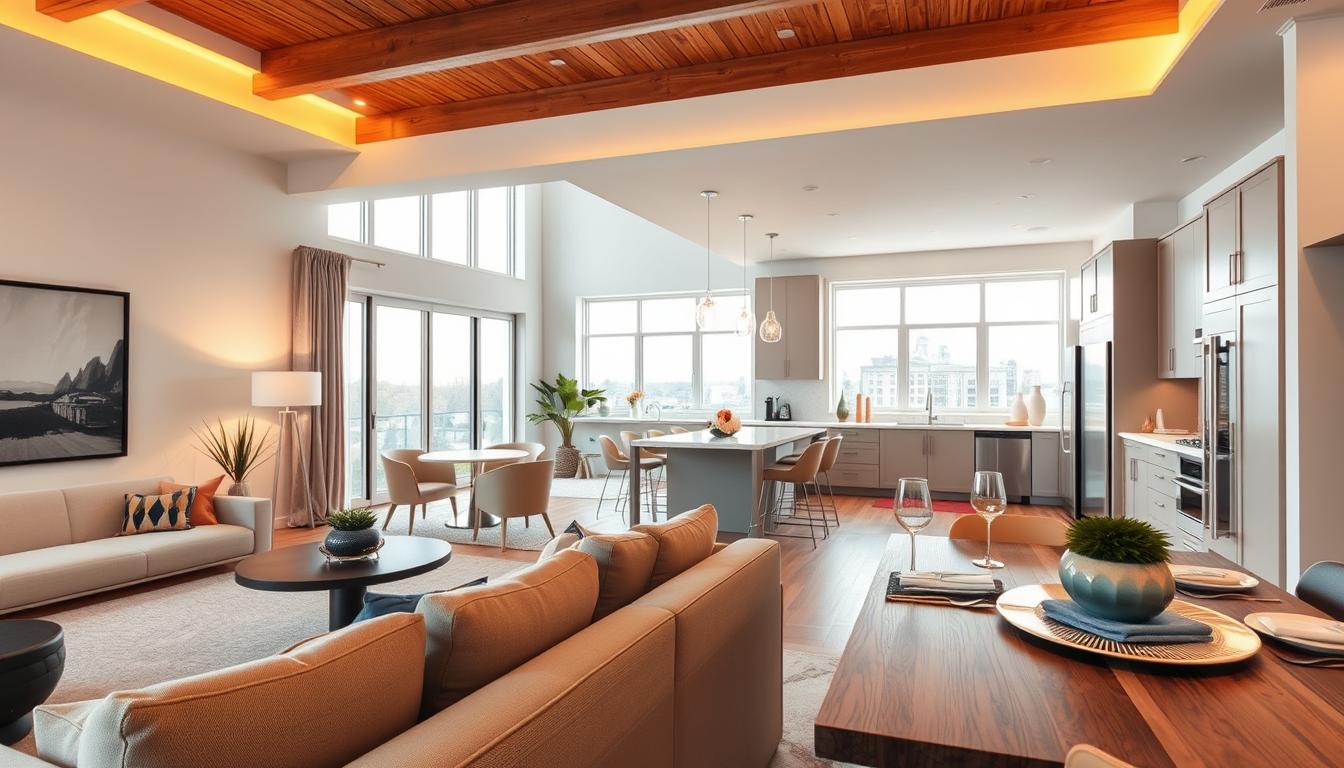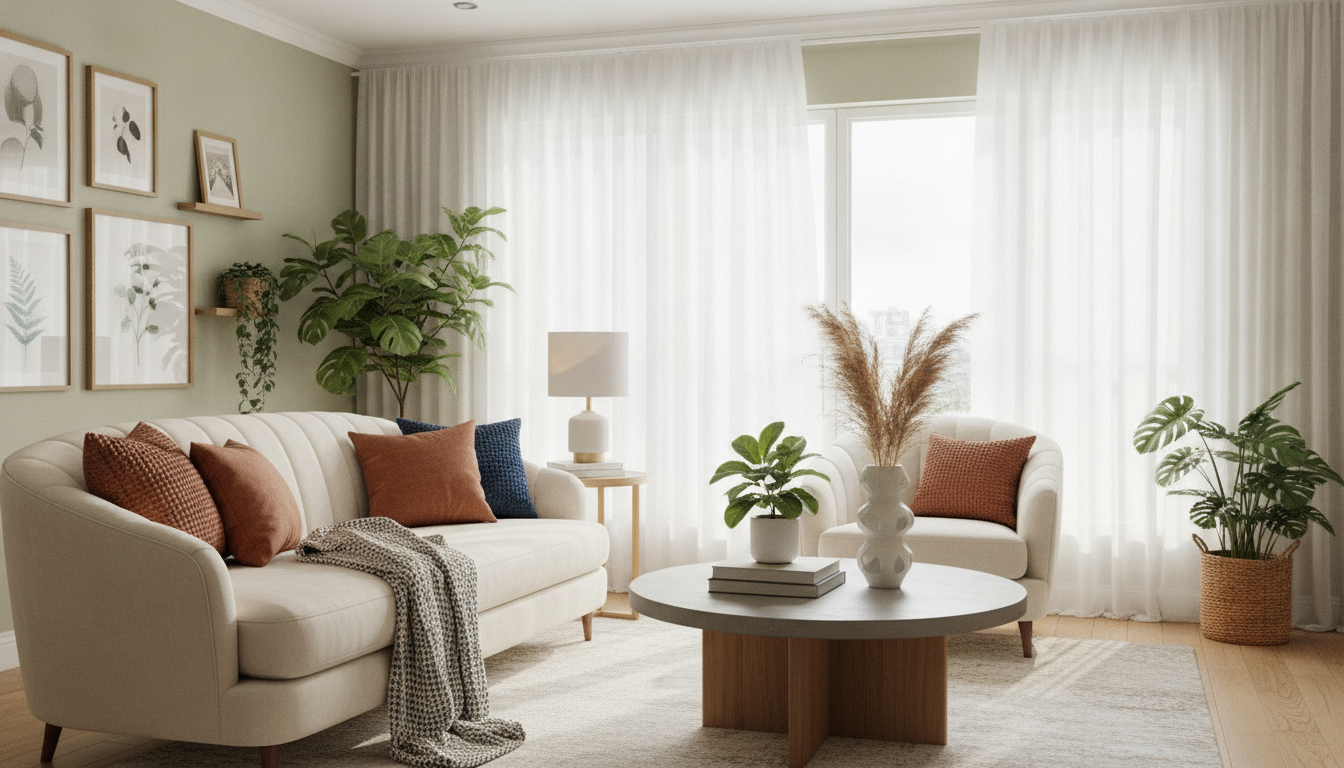
Did you know nearly 70% of homeowners feel stuck when starting a home makeover? We think starting a change can seem scary. But, our step-by-step guide makes it easy for everyone.
Design limits can lead to more exciting projects. By breaking your dream into smaller steps, you create a space that works well and feels personal.
Looking for new room makeover ideas or budget-friendly decor solutions? We’ve got you covered. Our interior styling tips will give you the confidence to turn your home into a beautiful space.
Key Takeaways
- Design constraints often spark more creative and unique results.
- Breaking large projects into small steps reduces renovation stress.
- Functionality should always balance with your personal aesthetic.
- Smart planning allows for high-impact changes on a limited budget.
- A methodical approach ensures your home reflects your personality.
Understanding the Basics of Interior Styling
We think every room has a story to tell. Interior styling is the way we write that story. Finding the right home decor inspiration is key to making a space feel special and cozy. By learning a few basic ideas, you can make any room show off your unique style.
What is Interior Styling?
Interior styling is about making a space look, feel, and function well. It’s more than just decorating; it’s about making every choice with purpose. When you think about how a room flows, your furniture and decor work together smoothly.
Starting with a mood board is a smart move. It helps you see what you like, like colors and textures. Using these interior styling tips early on keeps your project on track and avoids bad design choices.
Importance of Personal Touch
Your home should feel like yours. The best designs mix professional skills with personal touches. Things like travel souvenirs or family treasures make your space unique and real.
It’s good to mix fancy designs with meaningful items. This way, you turn a house into a home. Looking for home decor inspiration is great, but your life and habits should guide your design choices.
Choosing a Color Palette for Your Space
Changing a room starts with picking a color palette. Before you pick paint or fabrics, do a style gut check. Look at your Pinterest boards to see what colors you like. This helps you follow the latest interior design trends.
Color Psychology in Interior Design
Colors can change how we feel and our energy at home. Soft blues and greens make a soothing, tranquil atmosphere. They’re great for bedrooms or reading spots.
On the other hand, warm colors like terracotta or yellow add energy. They’re perfect for kitchens or living rooms.
It’s important to think about how colors work in your space. Natural light changes, so your colors will look different at different times. Choosing the right palette makes your home feel good for you.
Tips for Mixing and Matching Colors
To look good together, mix colors carefully. A good rule is the 60-30-10 rule. Use one color for 60%, another for 30%, and a third for 10%.
This keeps your room looking planned, not messy. Don’t be scared to try different textures. Even a single color can look interesting with different textures.
By keeping your main colors the same, you can add bold colors with accessories. This way, your room stays balanced and fun.
Furniture Selection: Function Meets Style
Finding the right mix of looks and use is key to a great room. When we focus on modern interior styling, we need to think beyond just looks. It’s important to see how furniture fits into your daily life and long-term comfort.
Prioritizing Comfort and Functionality
Your living room should be a cozy retreat. High-traffic spots need furniture that’s both tough and stylish. Choosing versatile foundation pieces helps your home stay useful as your tastes change.
For budget-friendly decor solutions, pick furniture that does more than one thing. A storage ottoman or a sofa bed adds value without losing your style. These pieces help you use your space wisely.
Tips for Sizing Furniture Appropriately
Always measure your space before buying big items. Drawing a floor plan helps you see how furniture will fit. This avoids the mistake of too big furniture in a small room.
Getting the size right keeps your home flowing well. Use this table to find the right furniture for your needs:
| Furniture Category | Primary Benefit | Best For |
|---|---|---|
| Modular Sofas | Flexibility | Large living areas |
| Nesting Tables | Space-saving | Small apartments |
| Storage Ottomans | Dual-purpose | Hidden organization |
| Armless Chairs | Visual lightness | Tight corners |
By following these tips, you can create a stylish and comfy space. Remember, thoughtful planning is a great budget-friendly decor solution. Measuring carefully ensures each piece has a purpose.
Lighting: The Key to Ambiance
Mastering light is key to a great atmosphere. Lighting turns a room from useful to visually stunning. Keeping up with interior design trends makes our homes look modern and welcoming.
Types of Lighting to Consider
We need different lights for a balanced look. A good plan includes overhead, task, and accent lighting for every room corner.
Here are the must-haves for your home:
- Chandeliers: They are beautiful and light up the whole room.
- Sconces: They add elegance and save floor space.
- Table Lamps: Great for reading or bedside use, they provide focused light.
Layering Light for Effect
Layering light is the secret to a pro look. Mixing light sources adds depth and highlights features or decor. This is a key part of modern interior styling.
Start with ambient light, then add task lighting for function. Use accent lights to focus on art or textures. This thoughtful strategy makes your space warm, inviting, and well-lit anytime.
Textiles and Fabrics: Adding Texture
Textiles are key to making any room feel welcoming. They add warmth, comfort, and depth. These elements bring a room together, making it cozy.
Looking for DIY decorating tips? Start with soft furnishings. Choose materials that look good and last long. For busy areas, pick fabrics that are durable yet beautiful.
Choosing the Right Fabrics for Your Space
Finding the perfect material is about style and practicality. Slipcovers should be made from quality fabrics that keep their shape after washing. This lets you easily update your decor without losing the fabric’s fit.
Think about your household’s lifestyle when picking textiles. Families with pets or kids might want fabrics that are easy to clean and stain-resistant. This ensures your design stays beautiful for years.
Tips for Mixing Textures
Mixing textures is simpler than you think. Pair smooth fabrics like silk with plush ones like velvet. This contrast makes a room feel special and intentional.
Need color scheme advice? Texture affects how colors look in your space. Matte fabrics absorb light, while shiny ones reflect it. For more ideas, check out adding texture to your home with different weaves and patterns.
Not sure which materials to choose? Here’s a comparison of common home decor fabrics.
| Fabric Type | Best Use | Durability | Texture Feel |
|---|---|---|---|
| Velvet | Accent Pillows | Moderate | Plush/Soft |
| Linen | Curtains | High | Natural/Crisp |
| Wool | Throws | High | Coarse/Warm |
| Silk | Decorative Drapes | Low | Smooth/Sleek |
Incorporating Art and Decor
Art and decor add the final touches that make a space truly yours. They turn a room into a reflection of your life and interests. By exploring home decor inspiration, you can find pieces that match your style.
Every item in your space should be chosen with care. Intentionality is key to a polished look. This way, your home becomes a cohesive gallery, not a cluttered mess. Choosing items with purpose takes your modern interior styling to the next level.
Selecting Art Pieces That Reflect Your Style
Choosing art is a personal journey that should focus on emotional connection. Look for pieces that tell a story or bring back memories. Your selection should reflect your true self, whether it’s bold abstracts or delicate prints.
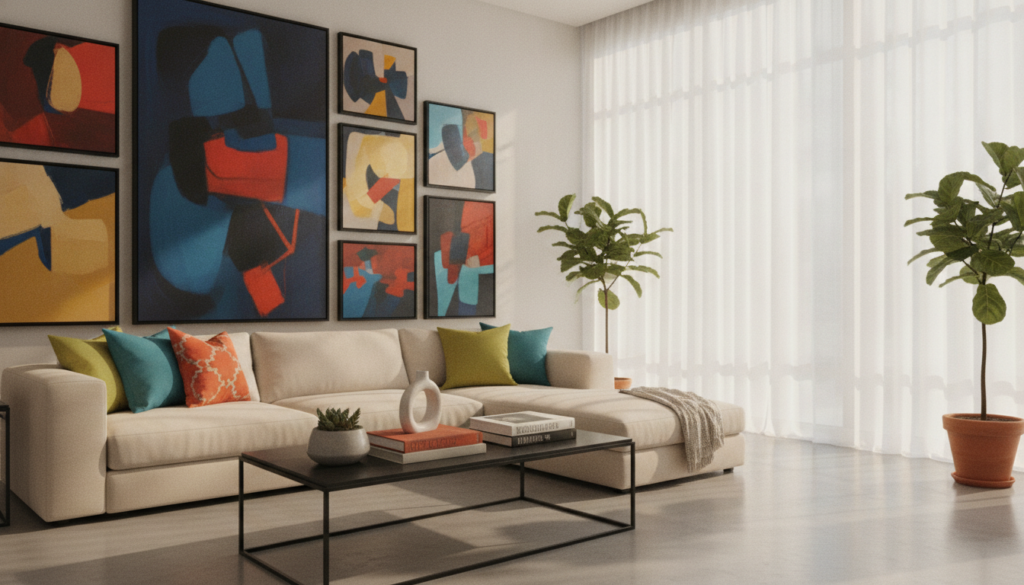
Think about the size and colors of your room when picking art. A big piece can anchor the space, while smaller ones add interest to corners. Remember, quality matters more than quantity for a sophisticated look.
Tips for Creating a Gallery Wall
A gallery wall is a great way to display many items without clutter. Lay out your pieces on the floor to plan the layout. This helps you see how they’ll look before you start hanging them.
- Keep frames evenly spaced for a balanced look.
- Use different frame styles or sizes to add depth.
- Add non-art items like mirrors or sculptures for texture.
By following these tips, you can find the perfect home decor inspiration. Thoughtful placement makes your walls a part of your home’s harmony. With patience, your modern interior styling will show in every detail.
Greenery: Bringing the Outdoors In
Mid-century modern design showed us the beauty of mixing indoors with outdoors. Homes from that era had big windows to connect inside and outside. Adding natural elements can make our homes feel just as open.
Looking for DIY decorating tips? Start with indoor plants. They add life and refresh any room.
Benefits of Indoor Plants
Indoor plants do more than look good. They clean the air by filtering out toxins and increase oxygen. This makes our homes healthier.
Greenery also helps us relax and feel better. It connects us to nature, even in small spaces. Plants can’t be replaced by artificial decor.
Best Indoor Plants for Beginners
Not everyone is a plant expert. But, many plants are easy to care for. They’re great for beginners.
- Snake Plant: This plant is tough and can handle little light and water.
- Pothos: Its long vines are perfect for shelves. It’s forgiving if you forget to water it.
- ZZ Plant: Its thick, green leaves make it almost impossible to kill. It’s great for those who forget to care for plants.
Using these easy plants is a great DIY decorating tip. Start small, see how they do, and enjoy their natural beauty.
Creating Zones in Open Spaces
Mastering the art of zoning is key for a better living space. With a big, open area, making different zones is crucial. A good home should feel both big and cozy at the same time.
Defining Areas for Different Activities
Modern homes use smart design to create zones. You can make a dining area and a lounge without walls. Strategic furniture placement is the best way to do this.
Place a sofa facing the dining table to divide the space. This keeps the room open while defining areas. Use console tables or bookshelves as low partitions to keep the room open.
Using Rugs to Establish Boundaries
Rugs are great for defining zones in a big space. A big rug acts as a visual anchor, showing where one area ends and another starts. The right size rug makes a cozy “island” for your furniture.
Choose rugs with different textures or patterns for your workspace and relaxation area. This helps keep things organized, which is important for a good room makeover. Here’s a table to help pick the best zoning method for your home.
| Zoning Method | Primary Benefit | Best For |
|---|---|---|
| Area Rugs | Visual grounding | Living and Dining |
| Furniture Backs | Natural separation | Open-plan layouts |
| Lighting Layers | Ambiance control | Work and Reading |
| Open Shelving | Storage and flow | Home offices |
Personalizing Your Space with Accessories
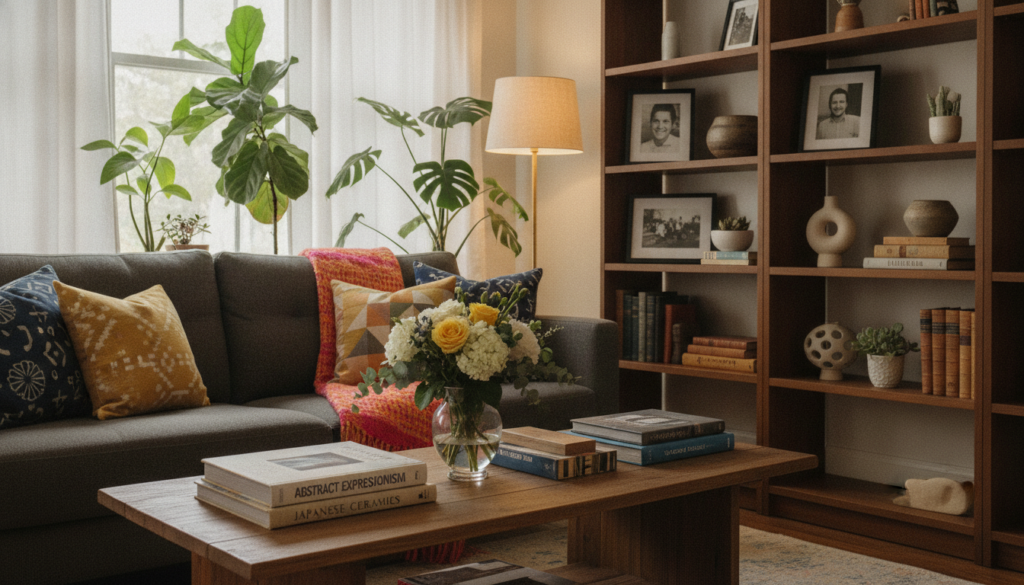
Turning a house into a home is all about the small, meaningful details. Modern interiors often choose art and statement pieces over knick-knacks. But the right accessories are key to telling your story.
Choosing quality over quantity makes your space feel unique and curated. Getting color scheme advice from a pro helps your decor match your room’s palette. This keeps your space tidy and focused on what matters to you.
Importance of Meaningful Accessories
Every item in your home should have a purpose or bring joy. Display items that reflect your travels, heritage, or passions. This makes your space feel real and connected.
“The details are not the details. They make the design.”
Choosing meaningful accessories lets you tell a story in your home. A vintage vase or a handmade sculpture adds emotional depth. It turns a cold room into a cozy, welcoming space.
Tips for Displaying Collections
Displaying your favorite items well takes some planning to avoid clutter. Group similar objects to make a strong visual statement. This turns a messy collection into a beautiful display.
If you like DIY projects, here are some DIY decorating tips to enhance your displays:
- Use different heights and textures on shelves for interest.
- Give your favorite pieces space to breathe.
- Change up your collections with the seasons to keep things fresh.
Remember, balance is key for a sophisticated look. By carefully choosing your accessories, your home will reflect your personality without feeling cluttered.
Utilizing Storage Solutions Effectively
We think that good storage is key to a beautiful and useful home. When everything has its spot, your home feels calm and planned. Smart organization can turn small rooms into cozy spots.
Innovative Storage Ideas for Small Spaces
Small homes often use furniture that does two things at once. For example, lift-up coffee tables hide things like blankets and remotes. This keeps your space looking neat while keeping things handy.
Using wall shelves and vertical storage is also smart. It makes rooms look bigger and saves floor space. These ideas are great for small apartments or homes.
Keeping Your Space Organized
Keeping your home tidy doesn’t have to cost a lot. Look for budget-friendly decor solutions like baskets or bins. They help keep things in order and stop mess from building up.
Staying consistent is key to keeping your home tidy. Try to tidy up a bit each week. This keeps your space looking good all year.
| Storage Type | Primary Benefit | Best For |
|---|---|---|
| Lift-up Tables | Hidden storage | Living rooms |
| Wall Shelves | Vertical space | Small offices |
| Woven Baskets | Visual texture | General clutter |
| Modular Bins | Easy sorting | Closets |
Seasonal Styling: Refreshing Your Home
Small changes can make a big difference in your home. You don’t need a big renovation to keep your space looking modern. Just by changing a few things, you can make your home feel fresh and connected to nature.
Tips for Seasonal Decor Changes
Looking for home decor inspiration? Think about the history of your favorite styles. For example, shabby chic, from the 18th century, celebrates heritage and family stories. You can add this by showing off vintage items or things that hold special memories.
Pay attention to sensory details to mark the seasons. Here are some easy ways to update your space:
- Swap out lightweight linen throws for cozy wool blankets when it gets cold.
- Change your cushion covers to match the current season’s colors.
- Use seasonal scents from candles or plants to set the mood.
- Switch your wall art to pieces that capture the season’s spirit.
Transitioning Styles Throughout the Year
For smooth seasonal changes, start with neutral pieces. Neutral furniture lets you add bold accents as interior design trends change. This makes your home easy to update and versatile.
It’s smart to have a place for your seasonal items. This keeps your home tidy and focused. By embracing these changes, your home grows and changes with you. It becomes a space that feels truly yours and loved.
Final Touches: Perfecting Your Design
When you step back to see your finished room, you’ll see the fruits of your labor. Take a moment to make sure everything feels right and intentional. These tips help you catch any small details that need more attention.
Managing your budget is key. Set aside an extra 10% of your budget for unexpected costs. This way, you can handle any surprises without stress.
Sometimes, a fresh eye is needed to complete your design. If you’re stuck, consider getting help from designers at places like Havenly or Decorist. Their expertise can give you the confidence to finish your space beautifully.
Your home should show off your personality. By following these tips, your living space will stay both beautiful and functional for years. Share your before-and-after photos with us to inspire others on their design journey.